
Garden Intruders – Gipsy Moth Larvae closely observed
Posted on June 22, 2014
As usual, camera in reach, I discovered two Gipsy Moth Larvae while doing some gardening work. Even though very beautiful, these creatures cause extensive damage in United States Forests. Originally from Europe, they can destroy entire forests by eating their leaves. Gipsy Moth Larvae can appear in massive quantities. Fortunately, there are a few ways available to eradicate them. Read more about it here:
If you encounter any creature like this, please record it and report it to local authorities.
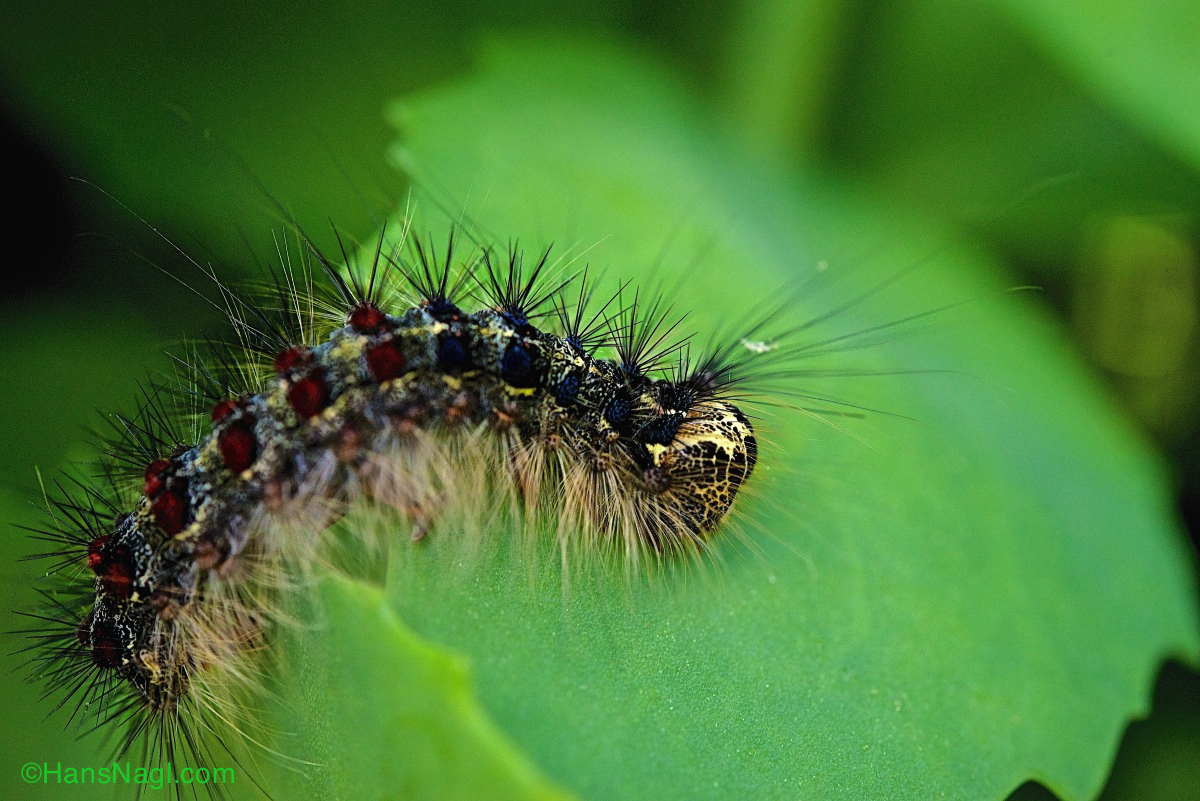
Gipsy Moth is one of the most destructive forest pests in the United States destroying large amounts of forests.

Garden Rose impacted by Gipsy Moths, visible on right bottom
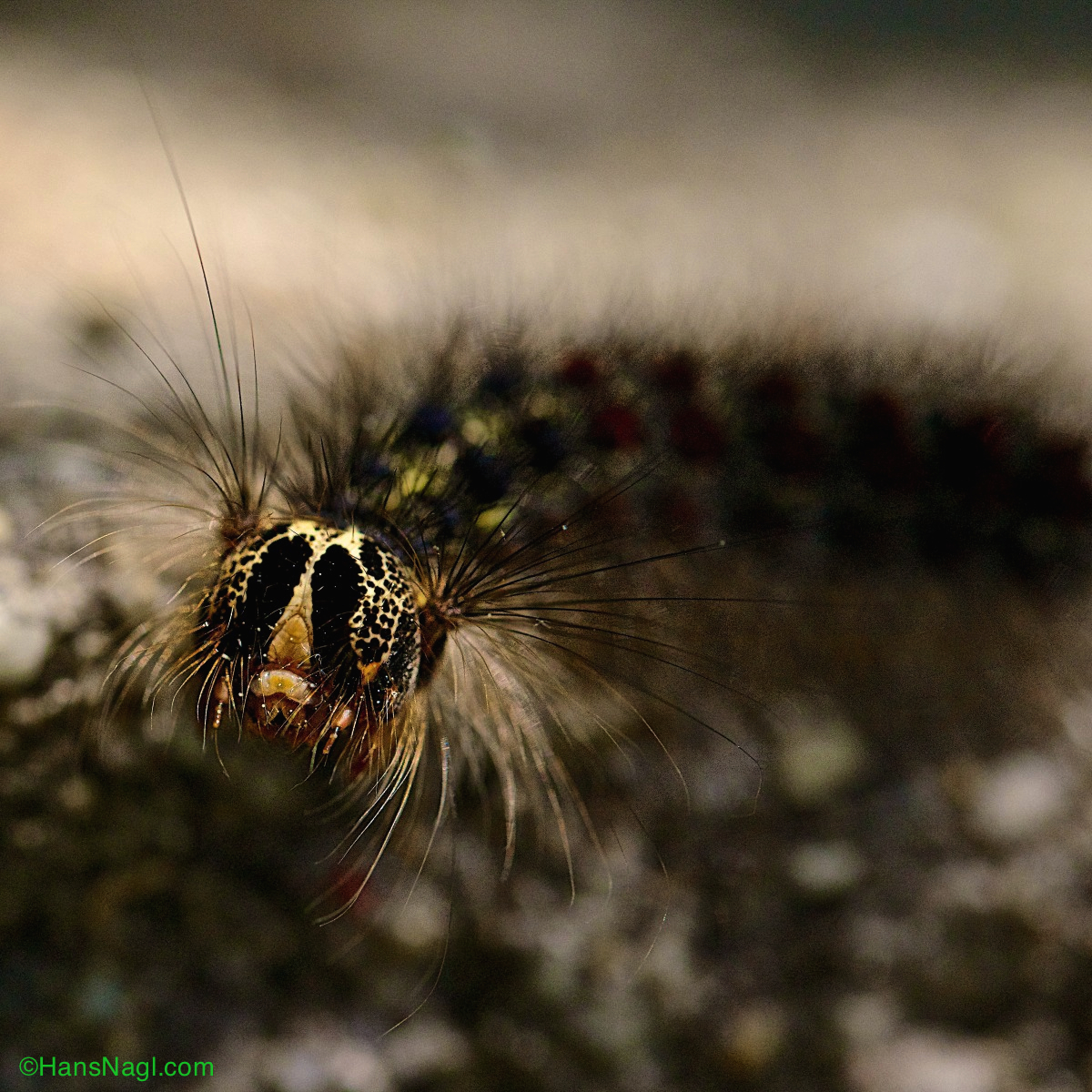
Gipsy Moth is one of the most destructive forest pests in the United States destroying large amounts of forests.
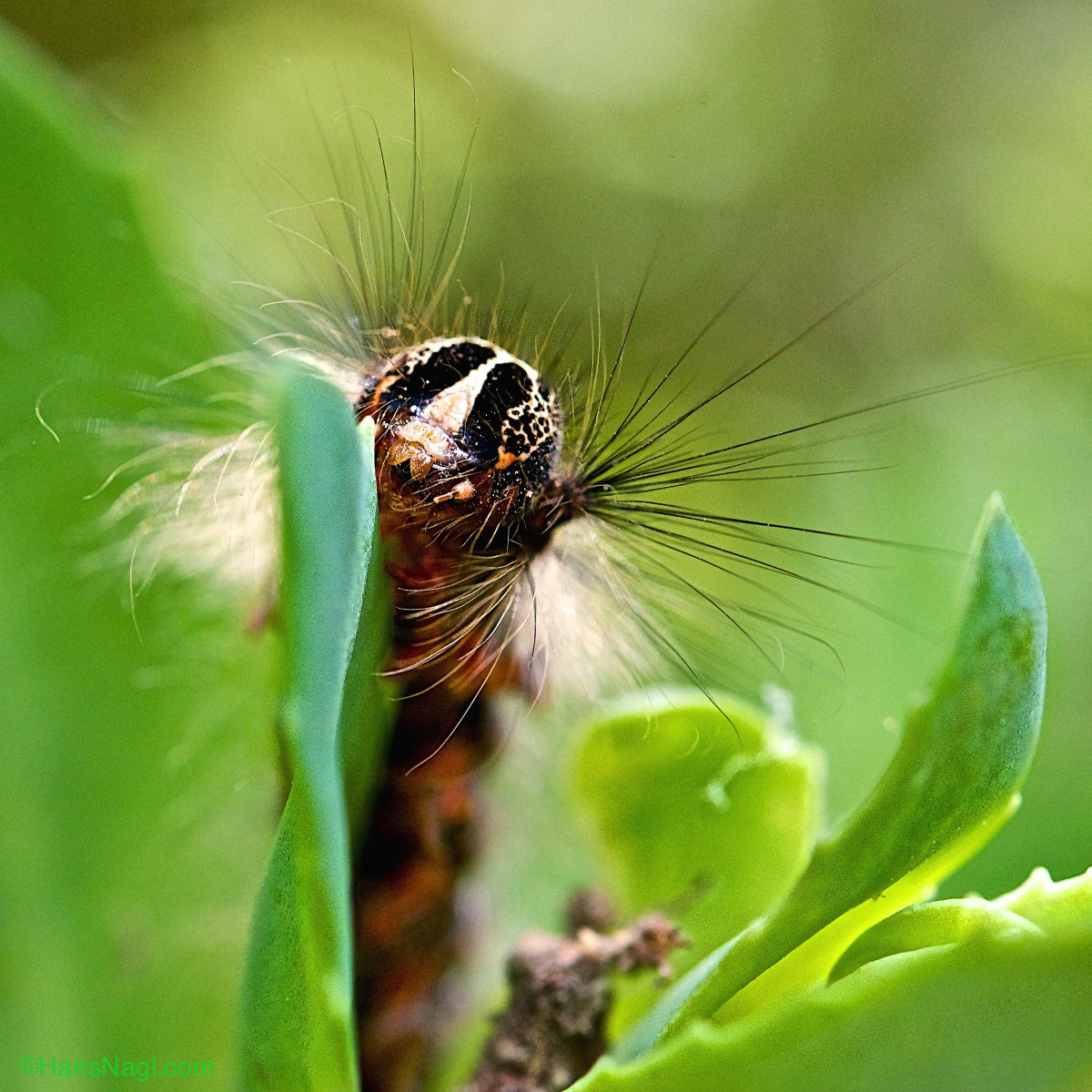
Gipsy Moth is one of the most destructive forest pests in the United States destroying large amounts of forests.
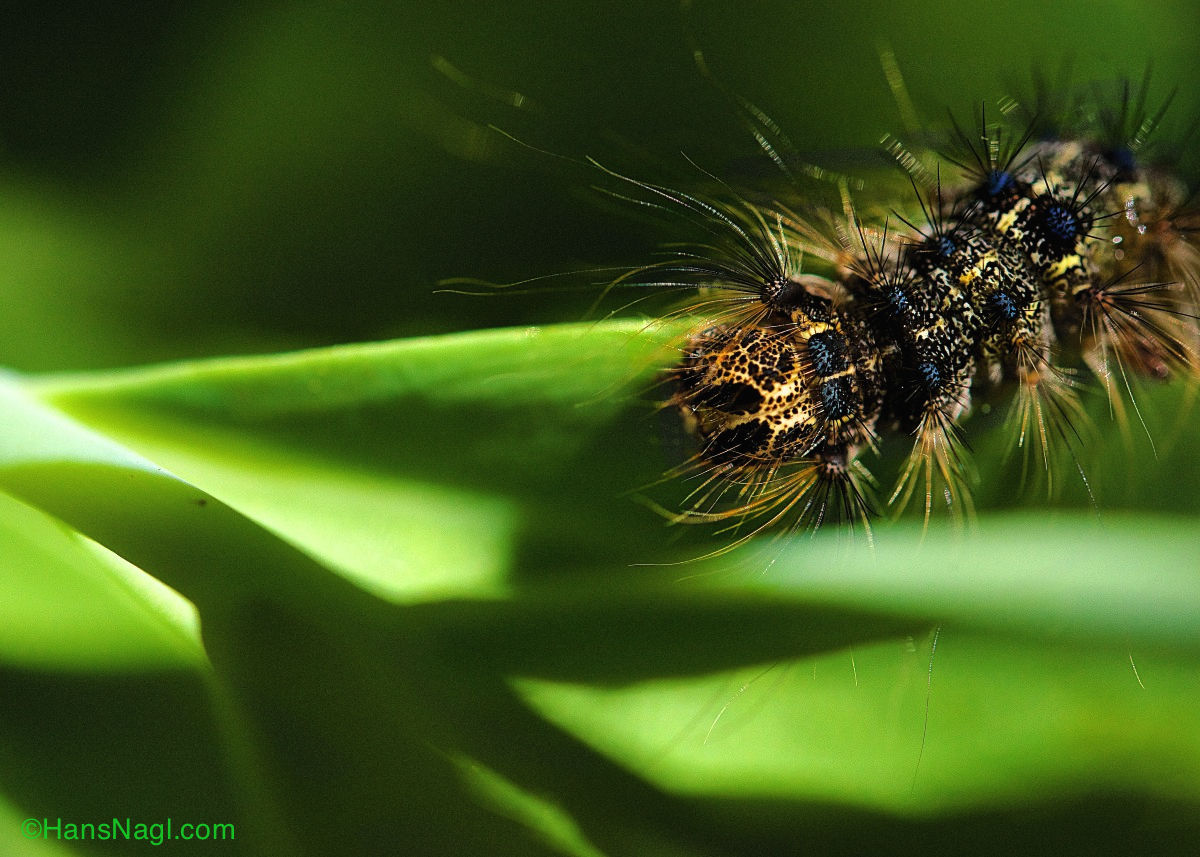
Gipsy Moth is one of the most destructive forest pests in the United States destroying large amounts of forests.
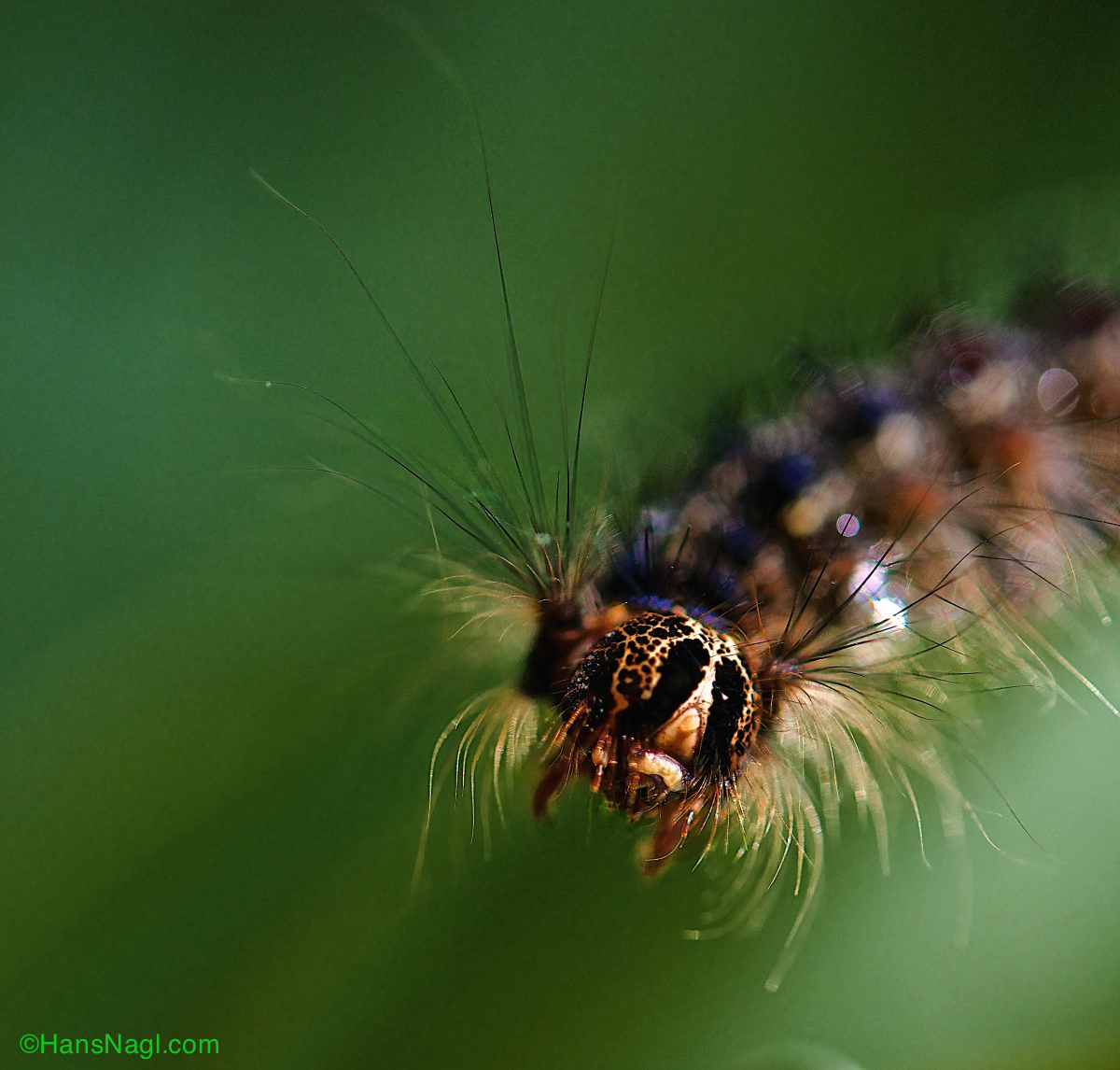
Gipsy Moth is one of the most destructive forest pests in the United States destroying large amounts of forests.
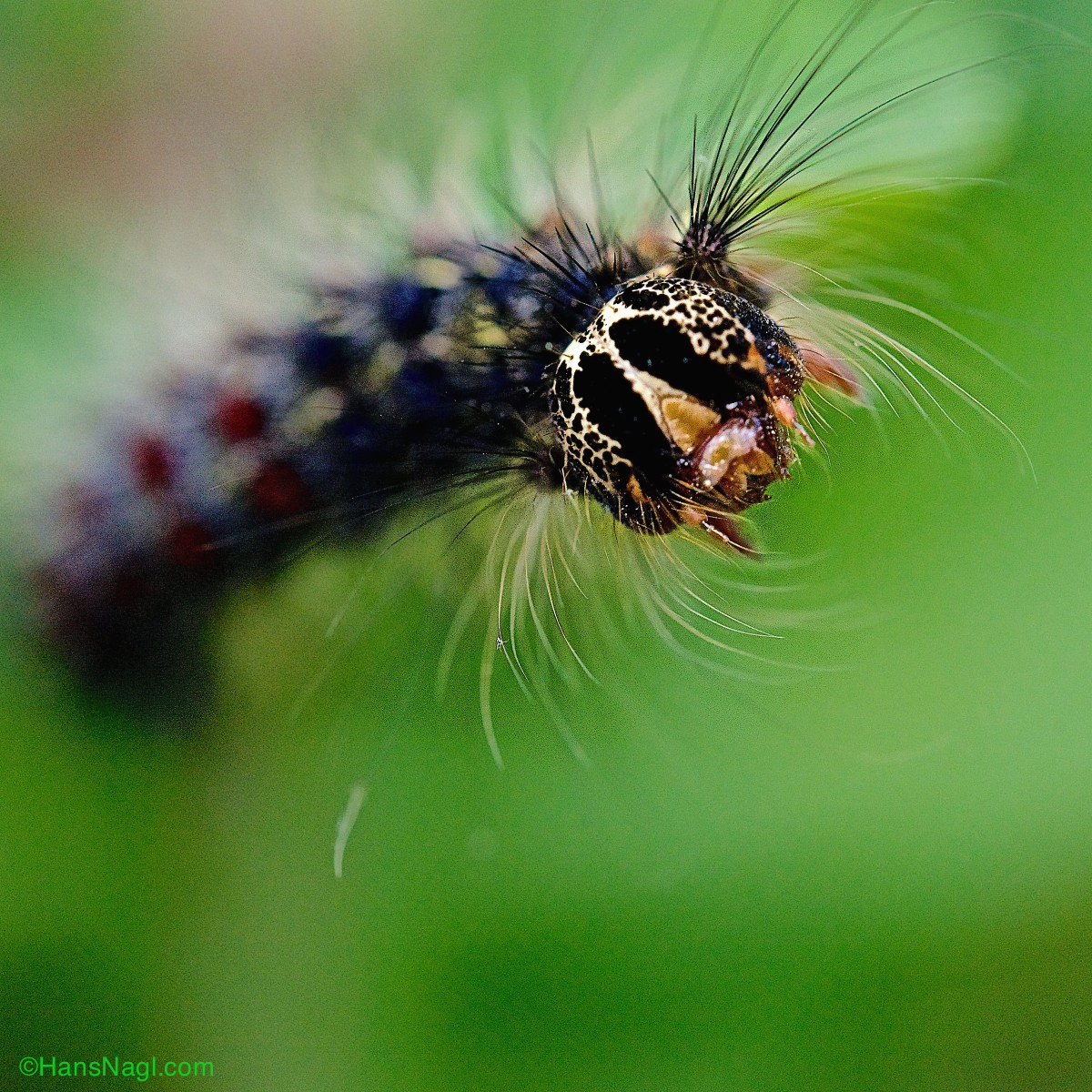
Gipsy Moth is one of the most destructive forest pests in the United States destroying large amounts of forests.


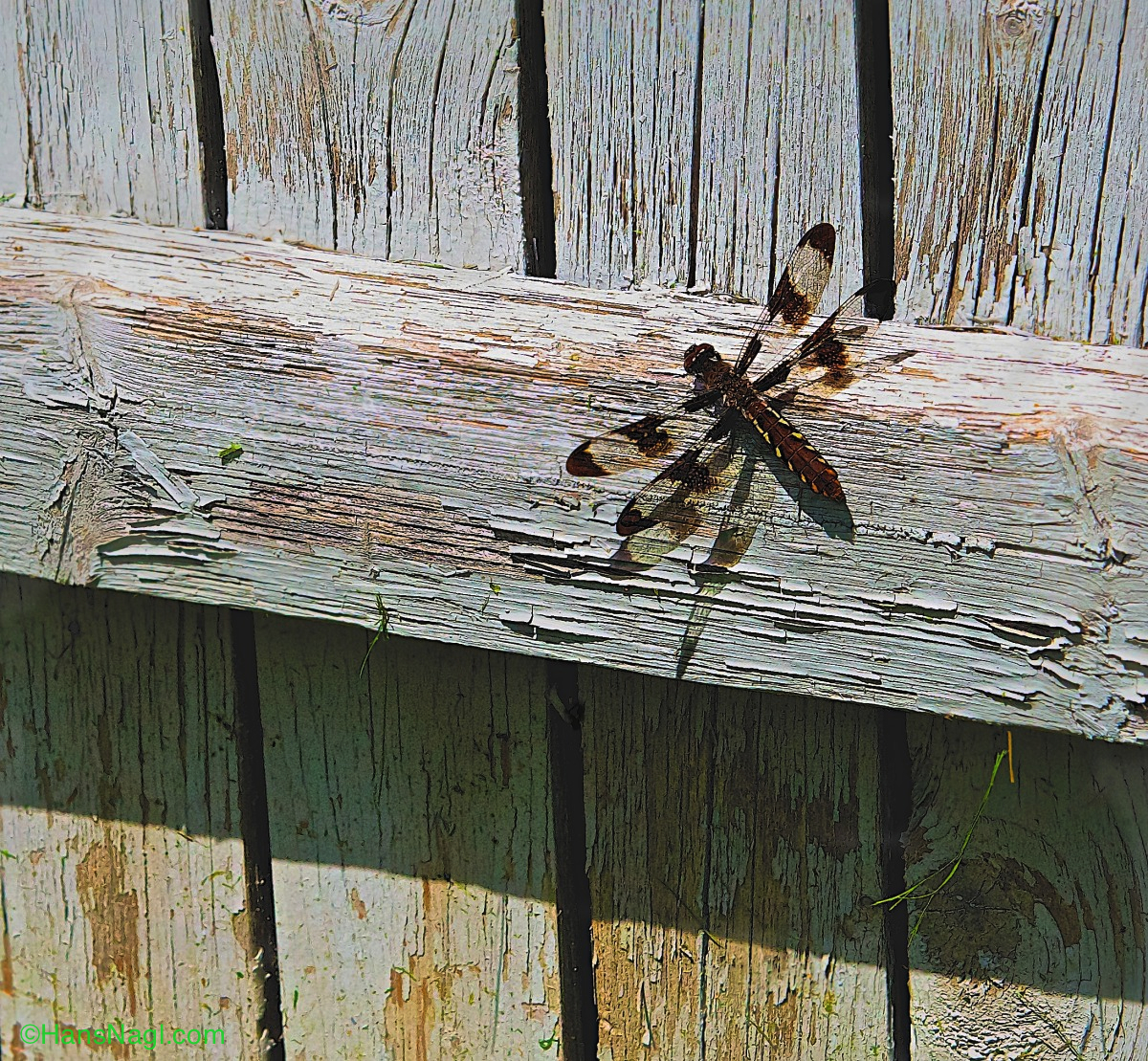
Dragon Fly on our fence – A good garden friend
Comments or suggestions are very welcome:


Photographing Red Clover Mites
Posted on June 21, 2014
A couple of days ago I had the opportunity to watch red clover mites, less than a millimeter large spider like creatures. They appeared as tiny red dots restlessly moving on top of a concrete wall close to our vegetable garden. Needless to say they immediately became targets for a photo session.
Every time I look at the results of recently taken macro type photos on a larger screen it feels like being transported into a different world. Creatures very small and many times not noticeable become giants on a computer screen, a window into a world far removed from our usual areas of attention. As much as it is exciting to see large animals in their natural habitats it is very interesting, at least to me, to visit this tiny world occasionally and watch these amazing creatures for a while. Thank you for visiting my blog.
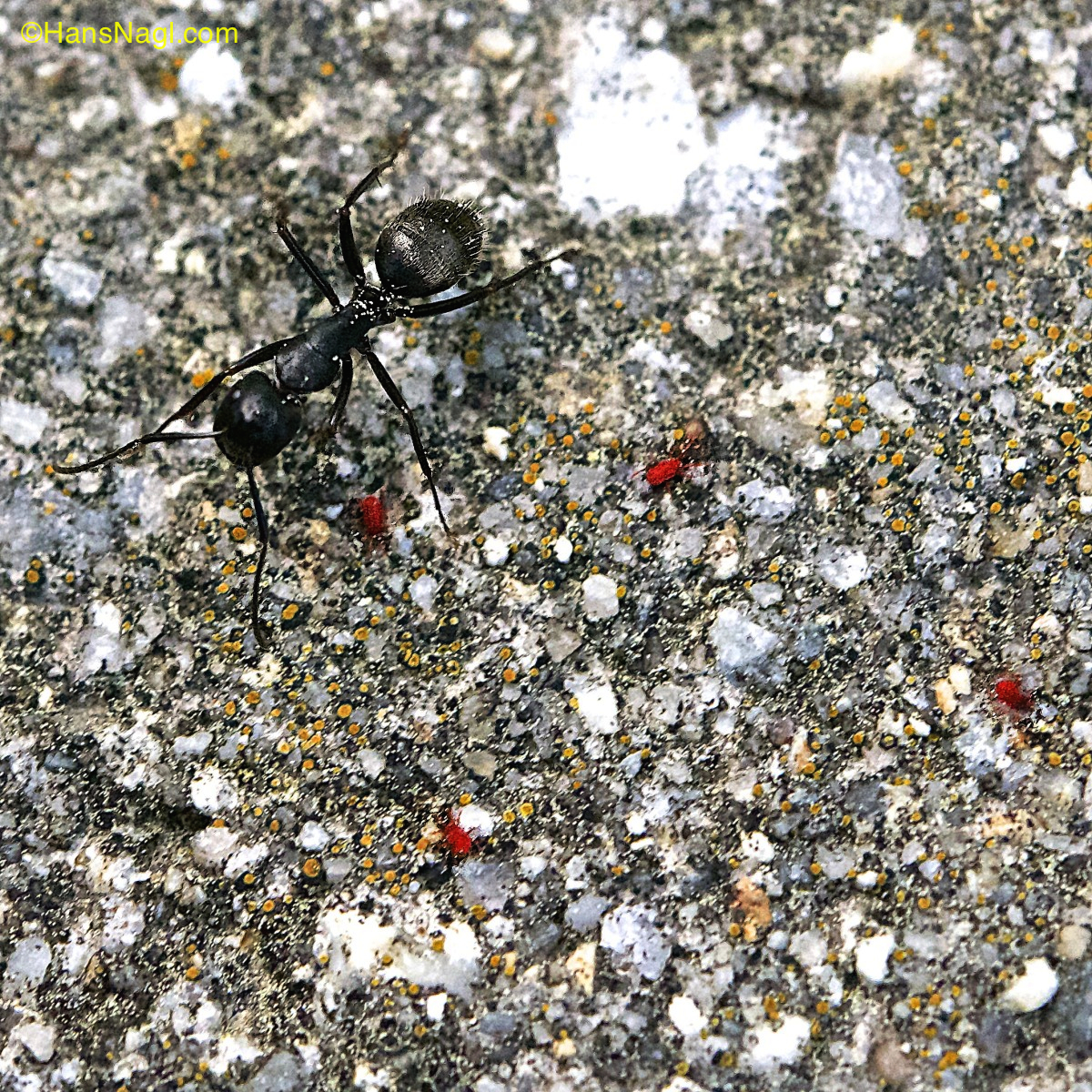
Comparing the size of an ant to the tiny clover mites

Clover Mites in action.
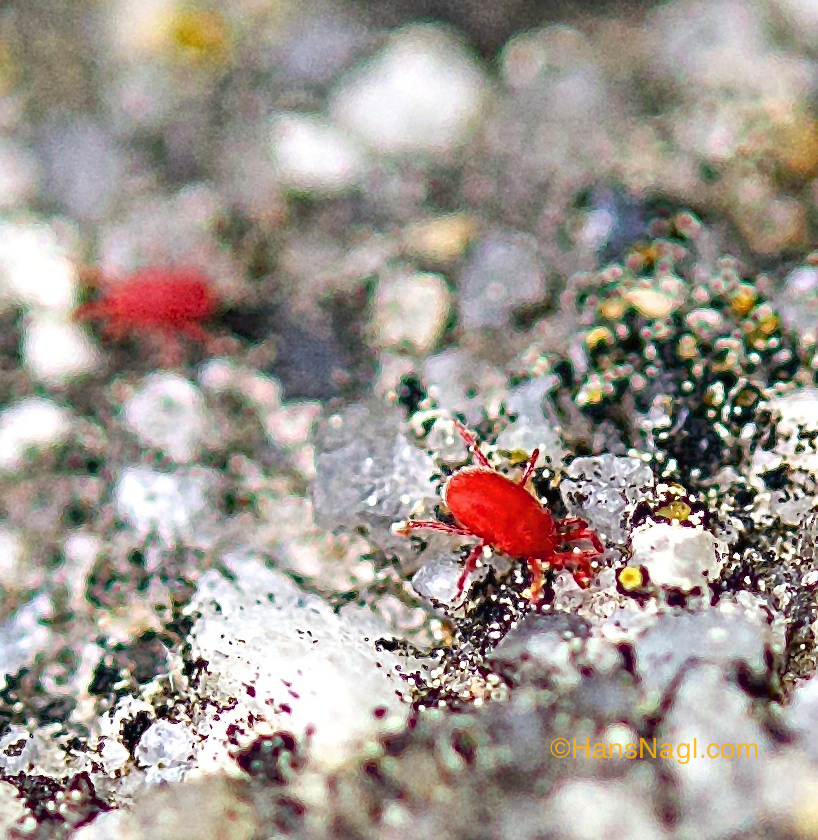
Clover Mites in action.
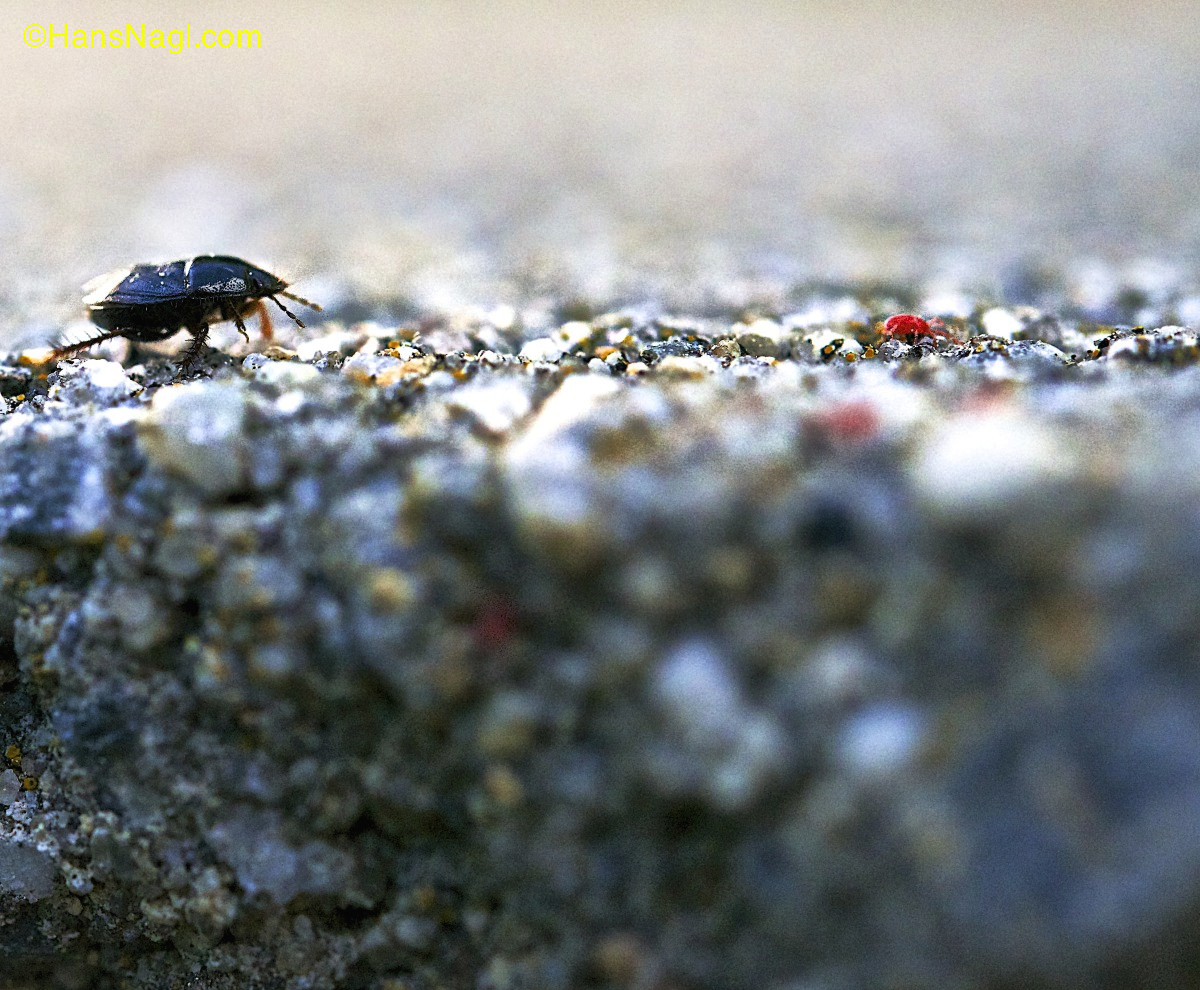
Beetle found a new friend to follow…it seems. Following a clover mite.
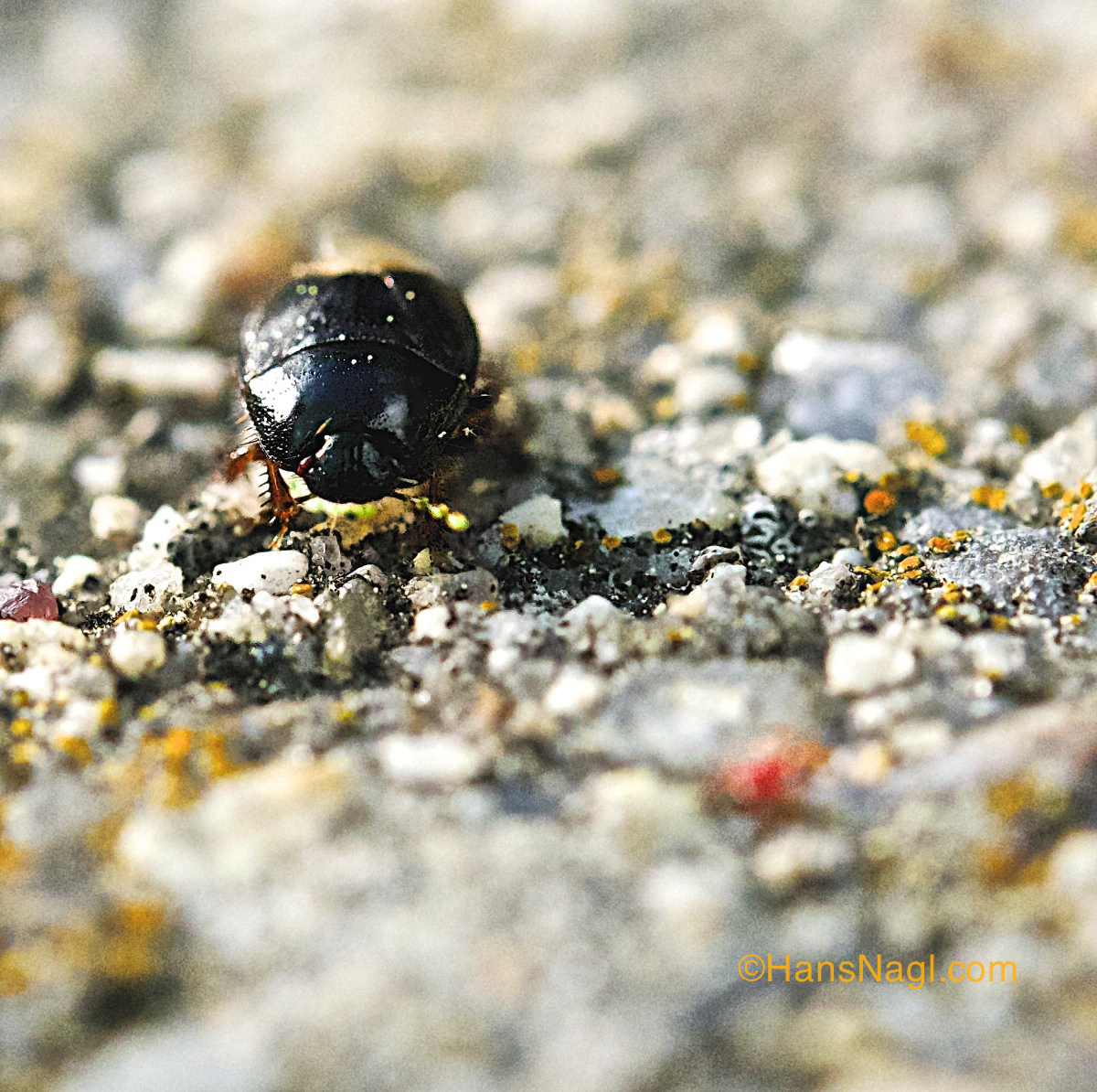
This beetle is looking concerned about the outcome of my photo. Looking really good!

Clover Mites in action.
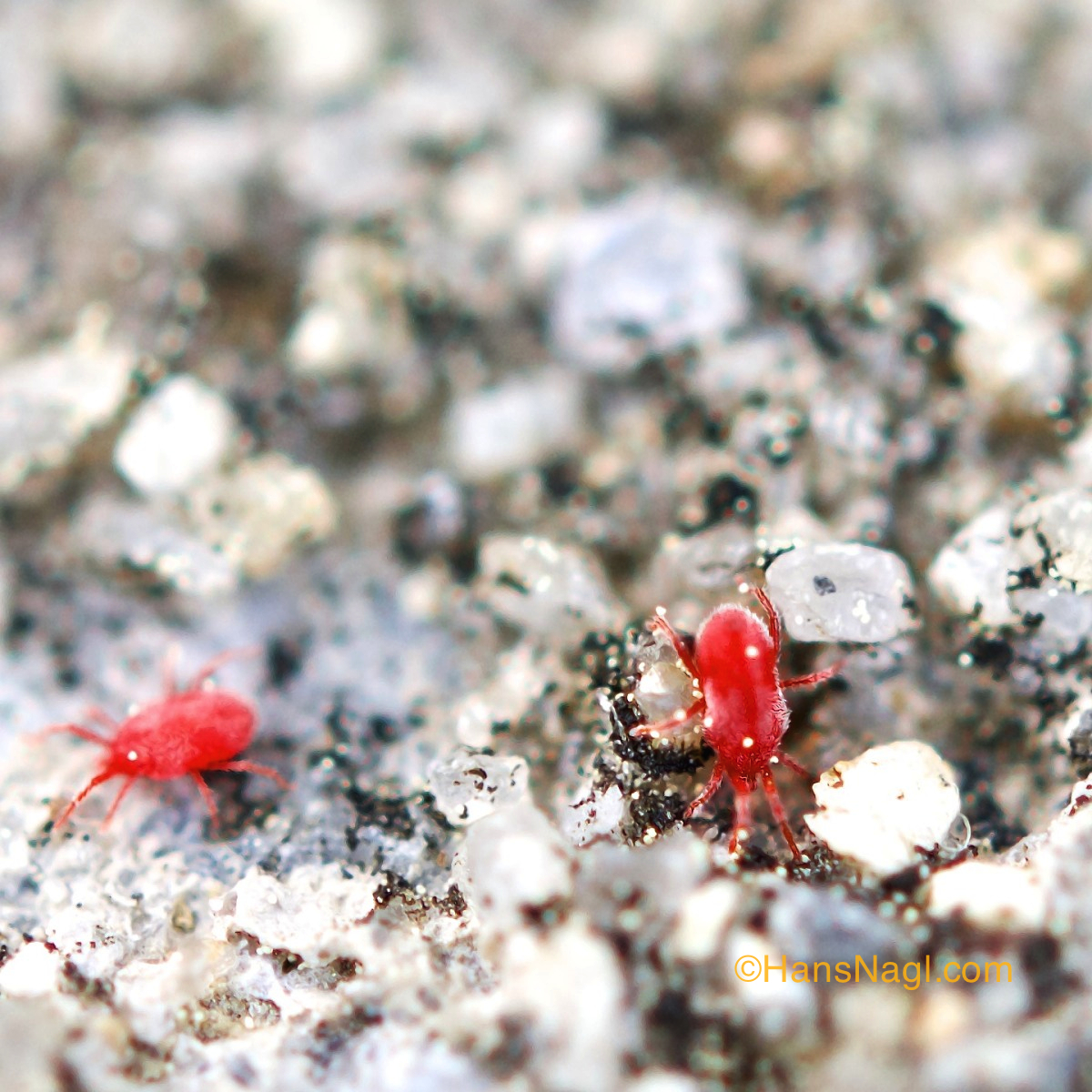
Clover Mites in action.
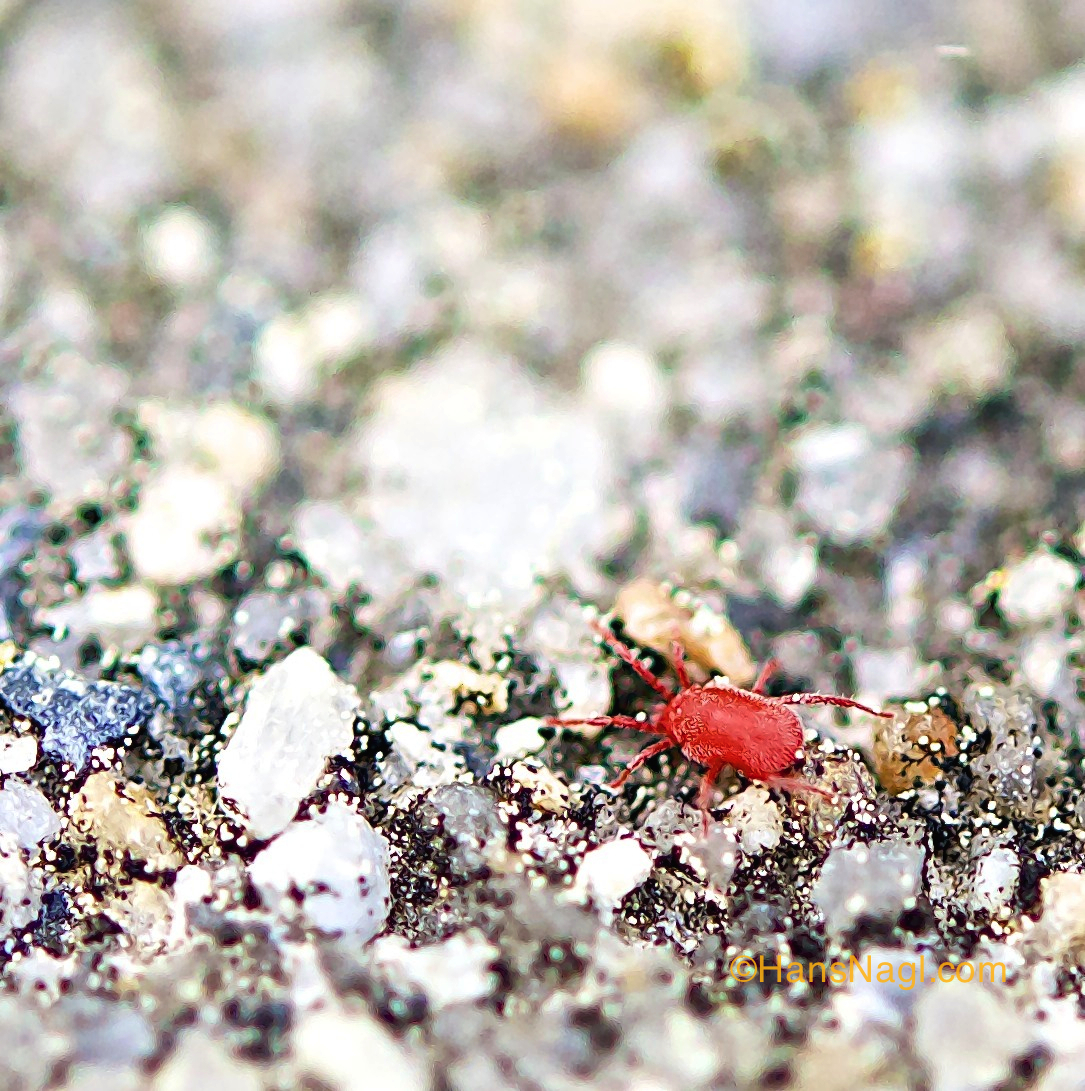
Clover Mites in action.


Comments and suggestions are welcome:
Beautiful, Silent, Inviting, Deadly
Posted on June 19, 2014
On my last trip to Pennsylvania I visited a place close to Lancaster with large bolders and thick forest. Of course I had my camera with me and soon discovered a fascinating target. Soon I discovered what I was looking for.
Welcome to the world of glittering and ingenious deceptions produced by a pair of orb weaver spiders to lure flies and other tiny creatures into a place of no escape.
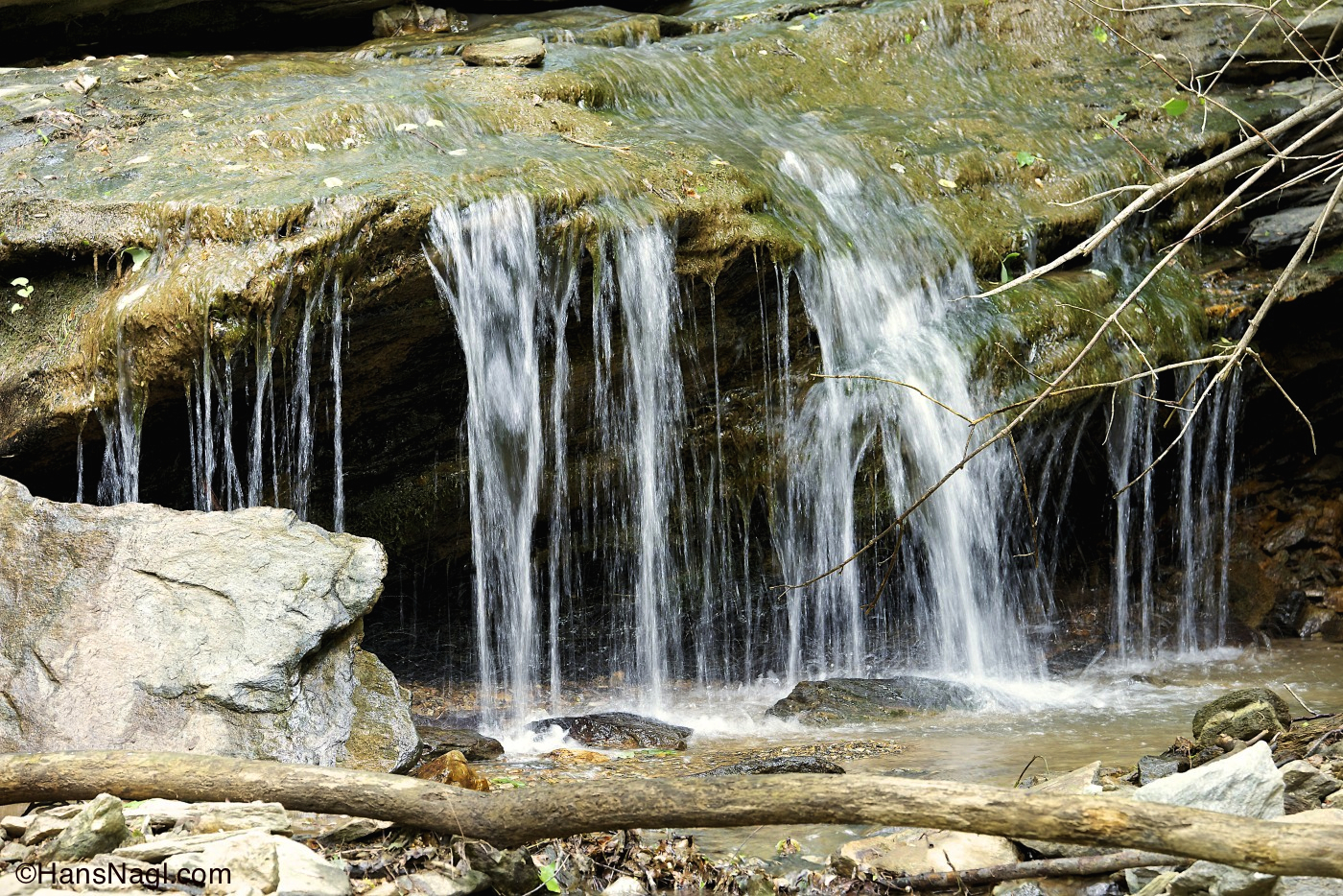
On a hike close to an area called Windcave. A great area of a variety of wildlife to be discovered, observed and photographed


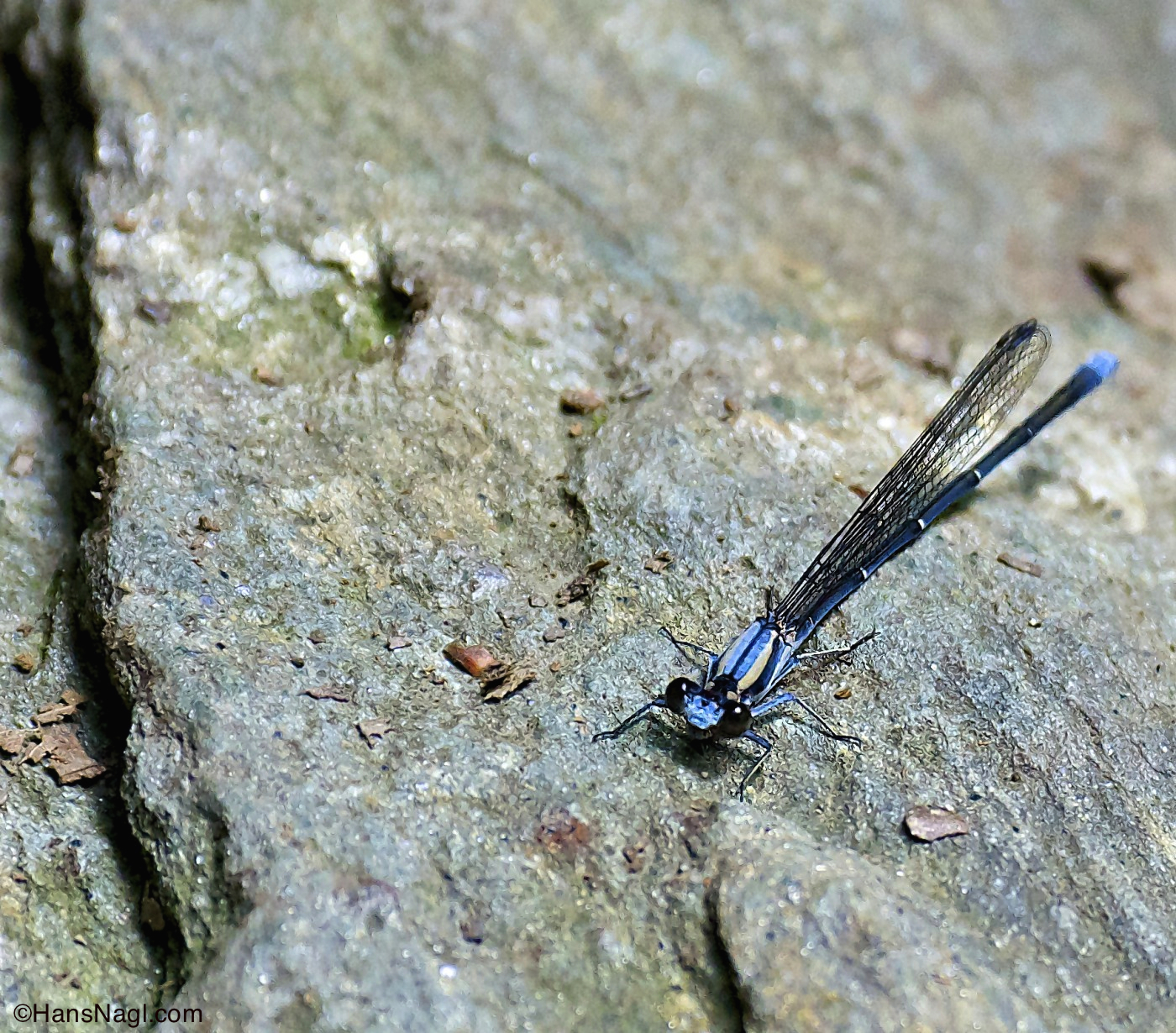
On a hike close to an area called Windcave. A great area of a variety of wildlife to be discovered, observed and photographed.
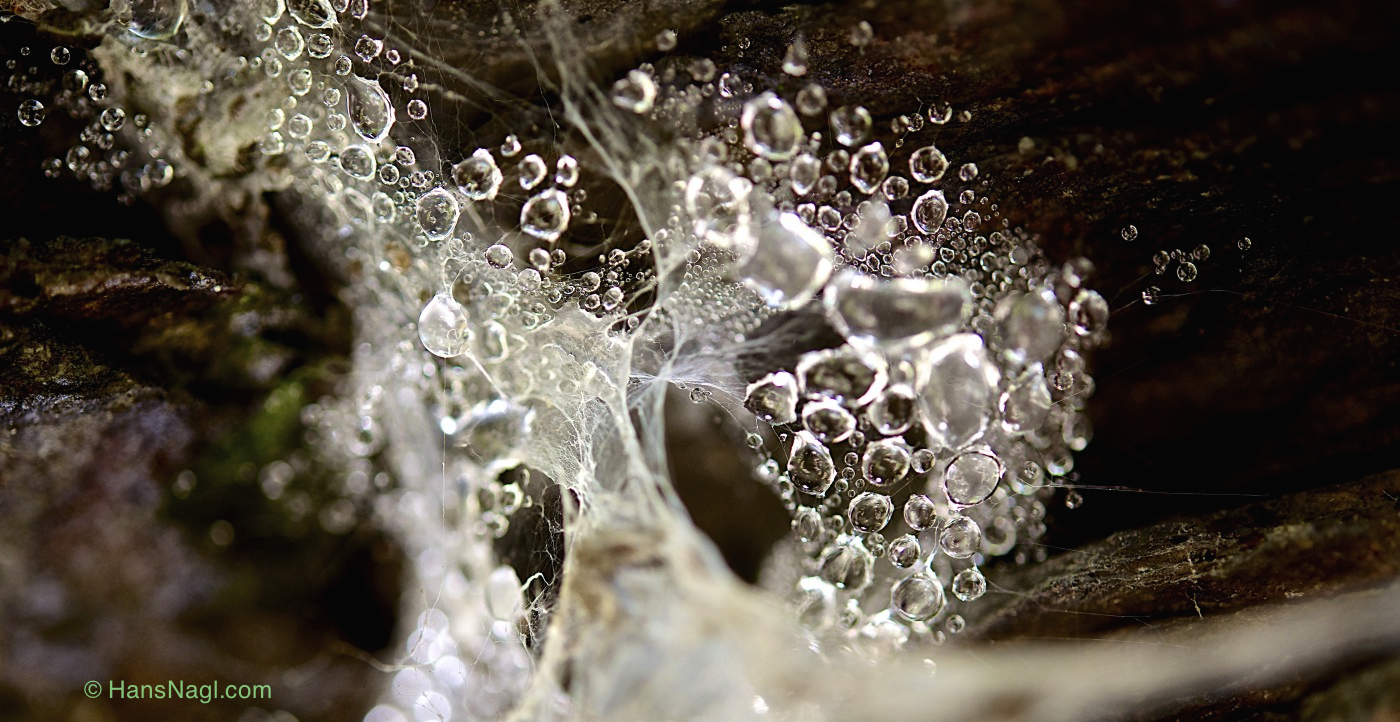
Beautiful, deadly deception. Don’t follow the glitter.

Observing Orb Weaver Spiders in Pennsylvania. Captured! One fly less in Pennsylvania
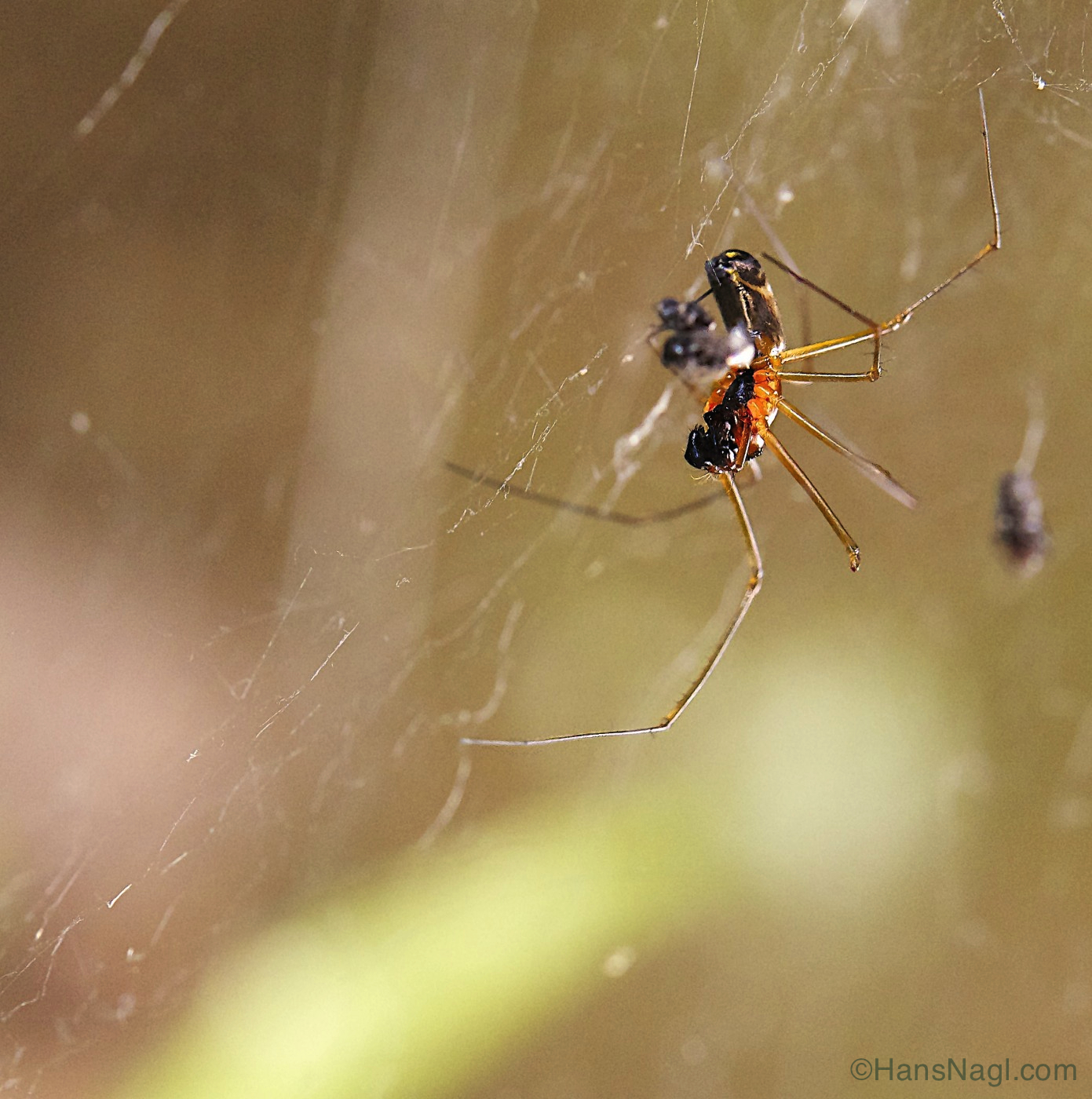
Observing Orb Weaver Spiders in Pennsylvania.
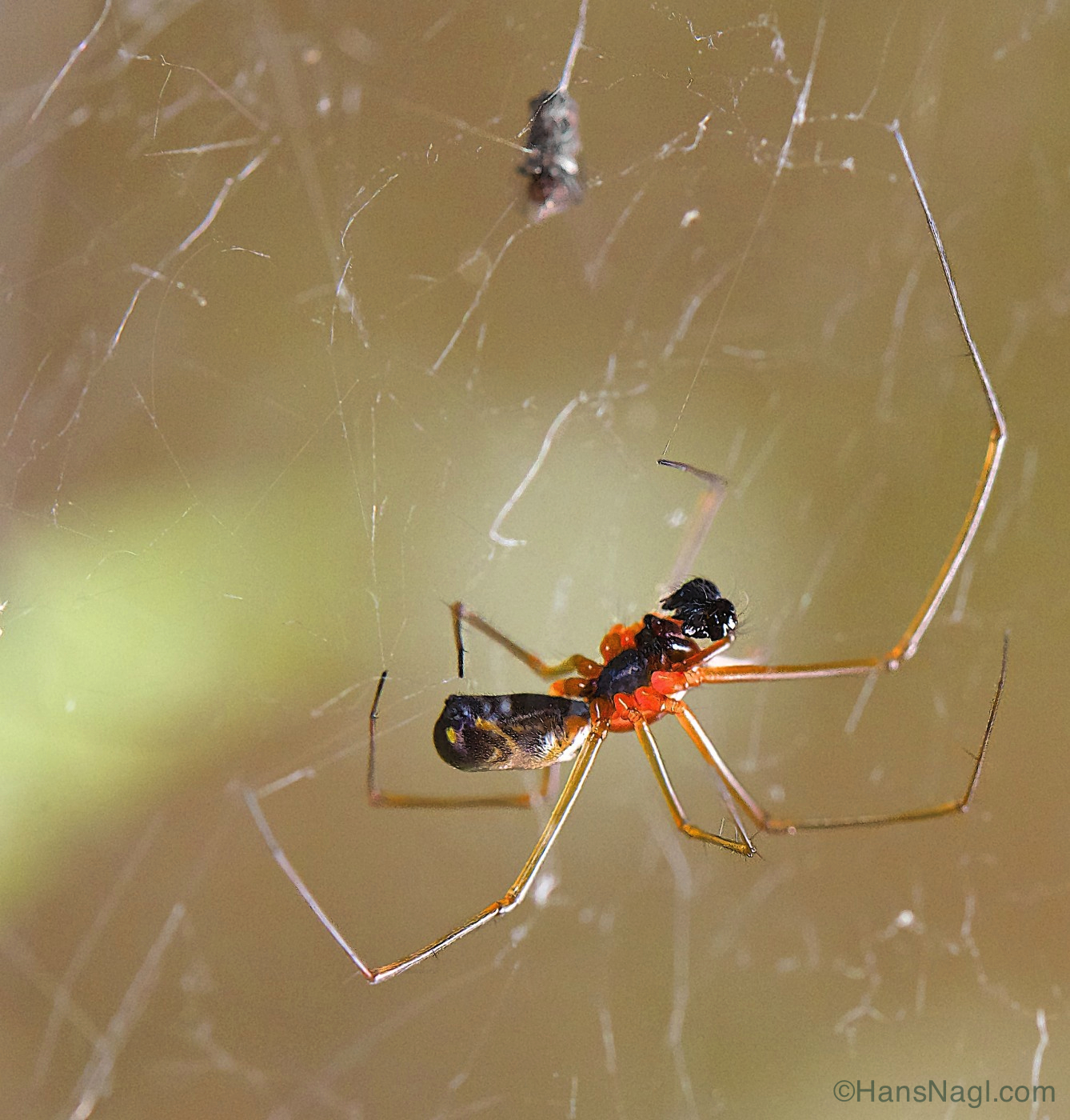
Observing Orb Weaver Spiders in Pennsylvania. Tangled up in blues with no way to escape
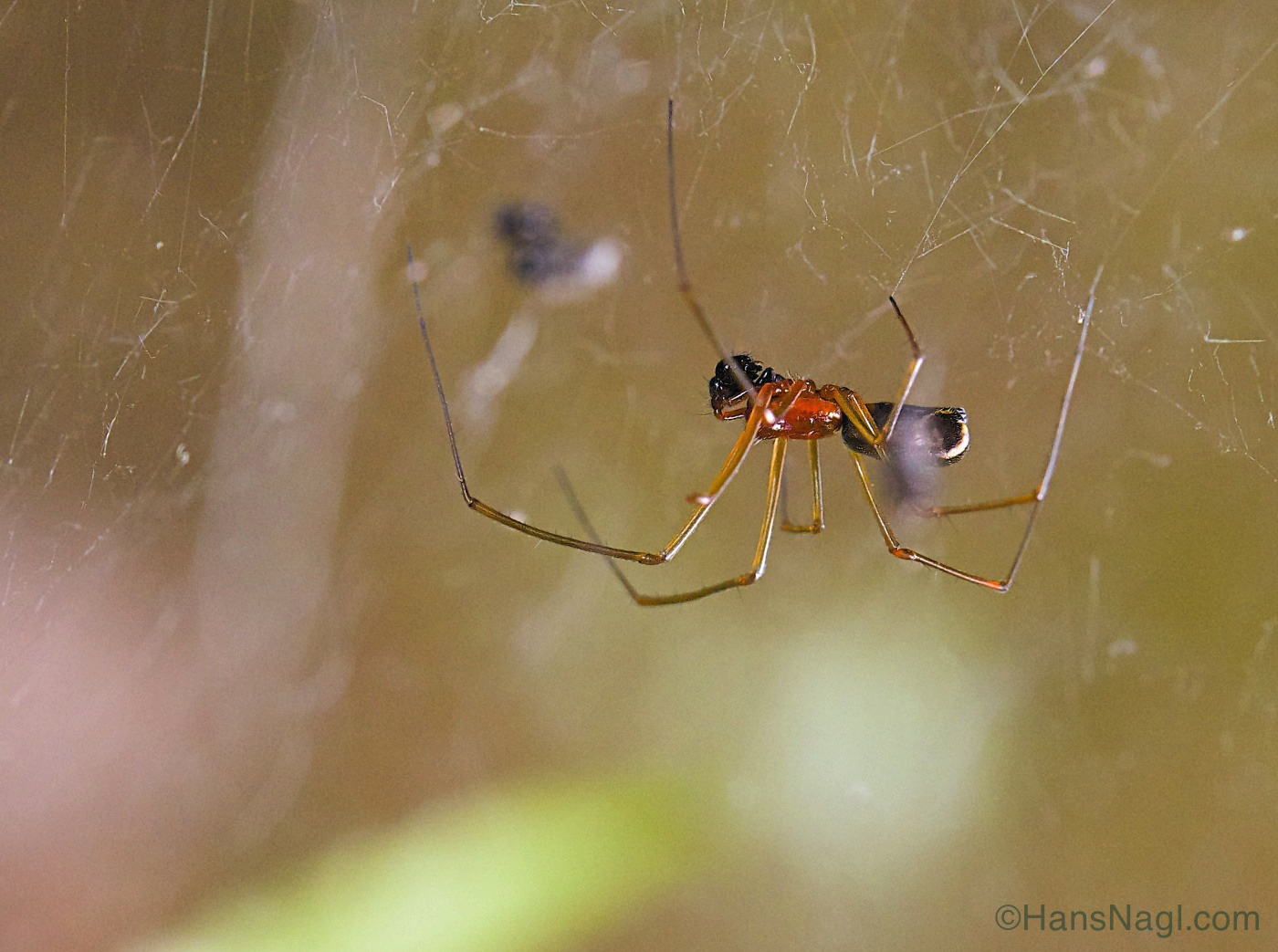
Observing Orb Weaver Spiders in Pennsylvania. Time to wait for the next fly.

Observing Orb Weaver Spiders in Pennsylvania. Always weaving a net with every possible leg.

Observing Orb Weaver Spiders in Pennsylvania. Always weaving.

Beautiful, deadly deception. Don’t follow the glitter!

Everything is of interest…
Please feel free to leave any comments or suggestions here. Thank you,
Bumblebee Pilot Training
Posted on May 28, 2014
Memorial Day offered a chance to visit the beautiful Heritage Museum and Gardens located in Sandwich, Massachusetts. This Cape Cod place, besides some very interesting indoor museums, features many colorful flowers attracting not only insects such as bumblebees but also a wide variety of photographers such as me.

Many flowers can be found at the Heritage Museum in Sandwich, Cape Cod – HansNagl.com
Sticking my nose and camera deep into all kinds of bushes I was able to take some colorful photographs.
Please click on a photo to view in carousel format.


In the middle of all the exciting photographing I was even able to join a bumblebee on her trip. Later, looking at the photos I sometimes thought to really fly behind Miss Bumblebee learning something new about plants, pollens and proper flower landing procedures. Here are some bumblebee photos.


Please feel free to leave any comments here:
 Cafe Gute Katze & GoodTimes English